Suspension tuning is a critical aspect of track racing that can make the difference between a podium finish and a disappointing outing. The right suspension setup not only enhances the grip and handling of a race car but also dramatically impacts driver confidence and overall performance. By carefully adjusting various suspension parameters, racers can achieve a balance that best suits their driving style and the specific demands of the track.
The process of tuning a suspension system involves a detailed understanding of the car’s dynamics and the way it interacts with the track surface. Essential factors include spring rates, dampening characteristics, ride height, and alignment settings. Each element plays a pivotal role in how the vehicle responds to steering inputs and road conditions. Thus, engineers and racers must collaborate closely to fine-tune these parameters, ensuring optimal performance under competitive conditions.
Moreover, suspension tuning is not a one-size-fits-all solution; it requires careful consideration of various factors such as track layout, surface texture, and weather conditions. What works well for one race may not be applicable to another, leading to the necessity for continuous testing and adjustment. Ultimately, mastering the art of suspension tuning will enable racers to unlock the full potential of their vehicles, delivering improved cornering speed and overall lap times.
Optimizing Spring Rates for Cornering Performance
Suspension tuning is essential for achieving optimal cornering performance in track racing. One of the critical components of suspension setup is the spring rate. The spring rate determines how much load a spring can support and influences vehicle handling characteristics, particularly during cornering.
To optimize spring rates for better cornering performance, several factors must be considered:
- Weight Distribution: Assess the weight distribution of the vehicle. A balanced weight distribution typically allows for a more neutral handling characteristic. Adjusting spring rates can help maintain balance during cornering.
- Track Conditions: Different surfaces can affect grip levels. Soft springs may provide better grip on bumpy tracks, while stiffer springs can enhance responsiveness on smoother surfaces. Choose spring rates based on the track’s characteristics.
- Cornering Speed: High-speed corners require different spring rates compared to low-speed corners. Stiffer springs can improve stability in high-speed turns, whereas softer springs may help the car to settle better in tighter corners.
- Camber Settings: The chosen spring rates can influence the angle of the tires during cornering. Ensure that the suspension geometry works in conjunction with the camber settings to maximize tire contact with the surface.
- Driver Preference: Individual driving styles can dictate the setup. Some drivers prefer a stiffer ride for immediate response, while others may favor a softer setup for better comfort and control. Conduct tests to find a spring rate that aligns with the driver’s preference.
When fine-tuning spring rates, it is essential to follow a systematic approach:
- Initial Setup: Begin with a baseline spring rate recommended for the specific vehicle and track type.
- Test and Evaluate: Conduct on-track testing to evaluate vehicle handling and feedback. Monitor how the car behaves during cornering.
- Adjust Gradually: Make small adjustments to the spring rates and re-test. This incremental approach allows you to isolate changes and determine their effects on performance.
- Analyze Data: Utilize data acquisition tools to assess lap times and cornering speeds. Compare results before and after adjustments to identify the most effective spring rates.
- Finalize Setup: Once optimal spring rates are determined, finalize the suspension setup, ensuring all other components work harmoniously.
Ultimately, optimizing spring rates is about finding the balance between responsiveness and stability. A well-tuned suspension system enhances cornering performance, allowing drivers to navigate turns with confidence and speed, leading to improved race results.
Adjusting Damping Settings for Enhanced Grip
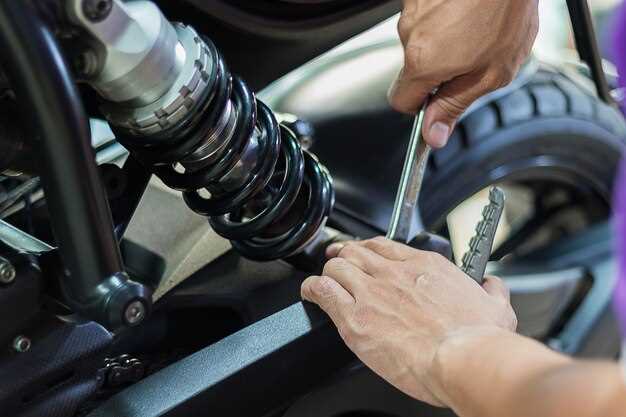
In track racing, the proper tuning of damping settings plays a critical role in maximizing grip. Damping affects how quickly the suspension reacts to road imperfections and weight transfers during cornering, braking, and acceleration. By adjusting these settings, drivers can optimize tire contact with the track surface, enhancing overall performance.
The damping system comprises two main components: compression and rebound. Compression damping controls how quickly the shock absorber compresses under load, while rebound damping manages the speed at which it extends back to its original position. Tuning these settings allows for better handling characteristics. For instance, increasing compression damping can help prevent the suspension from bottoming out during aggressive maneuvers, providing stability. Conversely, adjusting rebound damping ensures the tires maintain contact with the track by controlling how swiftly the suspension returns after compression.
A common approach to tuning is to start with manufacturer-recommended settings as a baseline. From there, drivers can incrementally adjust the damping settings based on track conditions and personal driving style. If the car feels too bouncy or unstable, increasing compression damping can aid in reducing excessive movement. However, if the car feels sluggish or fails to respond quickly, lowering the damping settings may improve responsiveness and grip.
Testing different damping configurations during practice sessions is crucial. Drivers should focus on the car’s behavior while cornering, braking, and under acceleration. Notably, achieving a balanced setup is key; if the front and rear damping settings are not aligned, it can lead to unpredictable handling. Maintaining a balance will enhance grip and allow the driver to push the car closer to its limits with confidence.
Ultimately, adjusting damping settings is an ongoing process that requires careful consideration of track conditions, tire performance, and driver preference. Utilizing data from telemetry can provide valuable insights into suspension performance, allowing for more precise tuning. With the right adjustments, enhanced grip can be achieved, resulting in faster lap times and improved overall track performance.
Tuning Ride Height and Geometry for Stability
Tuning ride height is essential for achieving optimal stability in track racing. The ride height refers to the distance between the ground and the vehicle’s chassis, and adjusting this measurement directly influences the vehicle’s center of gravity and weight distribution. Lowering the ride height can improve aerodynamics by reducing drag and enhancing downforce, while also lowering the center of gravity, which helps in minimizing body roll during cornering. However, it is crucial to find a balance, as excessively low ride height can lead to bottoming out, compromising handling and causing damage.
Geometry tuning also plays a vital role in determining vehicle stability. This involves adjusting the angles of suspension components, such as camber, caster, and toe, to enhance tire contact with the road. By fine-tuning these angles, the driver can improve grip during cornering. Negative camber, for example, allows the tire’s contact patch to stay flatter during turns, providing better support and traction. Similarly, adjusting toe angles can influence the vehicle’s responsiveness; toe-in can enhance stability, while toe-out can improve steering response.
It is important to consider the relationship between ride height and suspension geometry. When the ride height is altered, it impacts the suspension angles and the alignment settings. For instance, lowering the ride height may cause an increase in negative camber, which might be beneficial, but extreme changes could lead to uneven tire wear and reduced straight-line stability. Therefore, comprehensive testing and data analysis are necessary during the tuning process to ensure that modifications produce the desired improvements without introducing undesirable side effects.
In summary, effective tuning of ride height and geometry is a critical aspect of achieving stability in track racing. By carefully balancing these variables, racers can optimize their vehicle’s performance, ensuring greater control and predictability during high-speed maneuvers.