In the realm of motorsport, the chassis serves as the backbone of any racing vehicle, dictating not only its performance but also its safety during high-speed events. Proper prep work is crucial to ensure that the chassis can withstand the stresses encountered on the track while delivering optimal handling characteristics. Understanding the intricacies of chassis preparation allows teams to maximize both speed and reliability, ultimately contributing to successful race outcomes.
The process of preparing a race chassis involves meticulous attention to detail, from selecting the right materials to optimizing the design for aerodynamics and rigidity. Engineers and mechanics must assess every aspect of the chassis, including weight distribution, suspension setup, and safety equipment installation. This comprehensive approach not only enhances the car’s performance on the track but also ensures that drivers are protected in the event of an accident.
As the competition intensifies, racing teams must stay ahead of the curve by implementing the latest technologies and techniques in their chassis prep process. This includes regular inspections, modifications based on data analysis, and adherence to safety regulations. By prioritizing performance and safety, teams can build a race chassis that meets the demands of both the driver and the rigorous conditions of race day.
Assessing and Stripping Down the Chassis Components

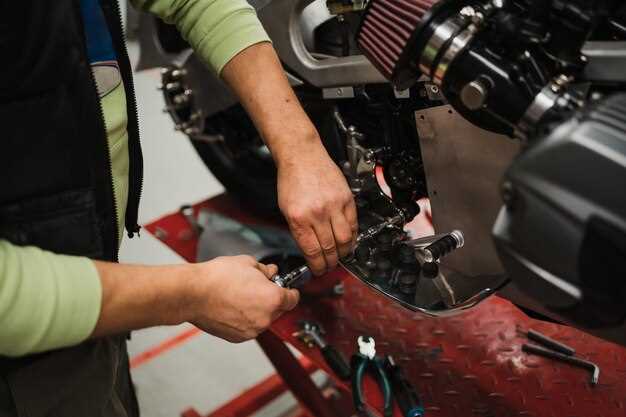
Preparing a race chassis for optimal performance and safety begins with a thorough assessment and stripping down of its components. This process ensures that each part is suitable for the demands of racing while addressing any potential safety issues.
Follow these critical steps to effectively prep the chassis:
- Initial Inspection
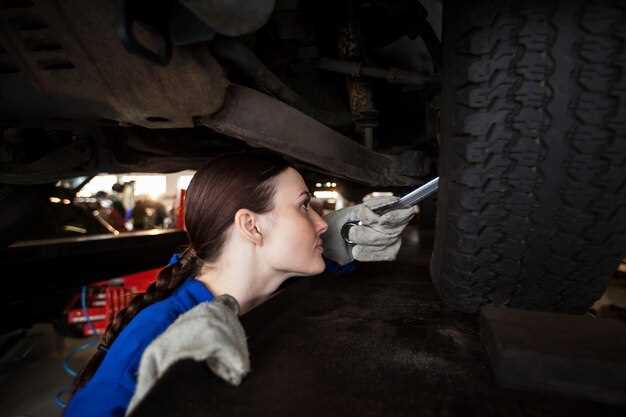
- Conduct a visual inspection of the chassis for any signs of damage, rust, or wear.
- Check welds and connections for integrity, ensuring they meet safety standards.
- Removing Non-Essential Components
- Begin by stripping down components that are not required for racing, such as brackets or interior fixtures.
- Remove any excess weight by taking off any parts that do not contribute to performance.
- Assessing Suspension and Steering Systems
- Inspect suspension components for wear, considering upgrades if necessary to enhance handling.
- Evaluate steering systems, ensuring they provide precise control and responsiveness.
- Evaluating Safety Features
- Check for proper mounting points for safety harnesses and seats.
- Assess the need for chassis reinforcements or safety features such as roll bars.
- Finalization of Stripping Process
- Document all removed parts, noting their conditions for replacements or upgrades.
- Clean the chassis thoroughly to prepare for any necessary modifications or repairs.
This assessment and stripping down phase is crucial for ensuring that the chassis is ready for performance enhancements and safety improvements, ultimately leading to a faster and safer racing experience.
Reinforcing Structural Integrity for High-Performance Racing
Preparing a race chassis for optimal performance requires a robust focus on reinforcing its structural integrity. The chassis serves as the backbone of the racing vehicle, impacting both handling and safety. To achieve the desired stiffness and strength, various techniques and materials can be employed during the prep phase.
One effective method is to utilize high-strength steel or aluminum alloys, which can withstand the greater stresses experienced during high-speed maneuvers. These materials can be strategically integrated into critical stress points of the chassis to enhance durability while keeping the overall weight low.
Cage reinforcement is another key aspect. Installing a roll cage not only boosts structural integrity but also provides essential protection for the driver in the event of a collision. The design of the cage must comply with specific racing regulations while ensuring that it does not hinder accessibility or visibility.
Another approach includes the use of advanced composite materials, such as carbon fiber, to reinforce specific areas of the chassis. These materials offer exceptional strength-to-weight ratios and can be tailored to specific load requirements, enhancing overall performance without the penalty of added weight.
In addition to material selection, proper welding techniques are critical in maintaining structural integrity. Welding ensures that all components of the chassis are securely bonded, minimizing the risk of failure under extreme conditions. Techniques such as TIG or MIG welding can provide strong, clean joints that contribute to the overall performance of the chassis.
Additionally, seamless integration of reinforcements should be considered. This involves using methods like gussets or cross-braces to distribute loads evenly across the chassis. This not only increases stiffness but also allows the chassis to better absorb impacts and vibrations, which is crucial during competitive racing.
Lastly, regular inspection and maintenance of the chassis cannot be overlooked. Periodic checks for signs of fatigue or damage will ensure that the chassis remains in peak condition throughout the racing season, allowing racers to push their limits with confidence in both performance and safety.
Implementing Safety Features and Compliance Measures

Preparing a race chassis involves not only enhancing performance but also ensuring safety through rigorous implementation of safety features and compliance measures. The first step in this process often includes stripping down unnecessary components to reduce weight while focusing on key safety elements that enhance driver protection.
One critical aspect is the installation of a robust roll cage. A well-designed roll cage can provide essential structural integrity during collisions, protecting the driver from impact forces. It’s important to choose materials that meet racing regulations, as they must withstand significant stress and provide adequate protection without adding unnecessary weight.
Adding high-quality racing seats equipped with multi-point harness systems is another necessary compliance measure. These seats are designed to keep the driver secure, minimizing movement during high-speed maneuvers or accidents. Harness systems should be properly mounted to the chassis, following safety standards set by racing authorities.
Another key element in safety preparation is the integration of fire suppression systems. These systems must be installed in accordance with regulatory guidelines and can significantly reduce the risk of injury in the event of a fire. Regular checks and maintenance of these systems are crucial to ensure operational readiness at all times.
Additionally, ensuring proper visibility and communication tools such as mirrors and onboard radios enhances situational awareness, which is vital for safety during races. Compliance with event-specific rules regarding these features is essential to avoid penalties and ensure overall safety.
To wrap up, a comprehensive approach to implementing safety features and compliance measures is crucial in race chassis prep. By focusing on structural integrity, driver restraint systems, fire safety, and effective communication, race teams can significantly enhance both performance and safety on the track.