

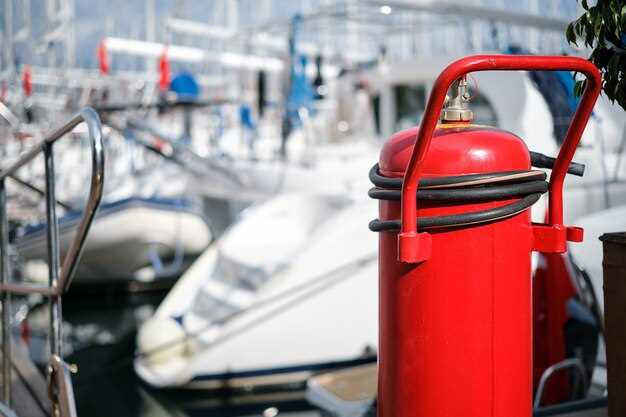
In the high-octane world of racing, where speed and competition reign supreme, the importance of fire safety cannot be overlooked. Drivers face numerous risks on the track, and one of the most critical is the potential for fire. Understanding fire suppression systems is not just an option but an essential part of a racer’s gear that could save lives in the event of a fire emergency.
Racers must familiarize themselves with various types of fire suppression systems available today. These systems are specifically designed to mitigate the risk of fire, protecting both the driver and the vehicle. From onboard extinguishers to advanced suppression systems integrated into the car, knowing how each system functions can significantly enhance safety on the track.
Moreover, effective fire safety protocols extend beyond the vehicle itself. It involves understanding the necessary procedures to follow in the event of a fire and ensuring that all gear is up to par with industry safety standards. Mastering these elements not only prepares drivers for emergencies but also instills confidence as they navigate the thrilling yet perilous environment of racing.
Understanding the Types of Fire Suppression Systems in Racing
Fire suppression systems are critical for ensuring safety in the high-stakes environment of racing. Various types of systems have been developed to quickly extinguish fires and protect both drivers and vehicles during a race. Understanding these systems can provide racers with the necessary knowledge to make informed decisions regarding their safety equipment.
One of the most common types of fire suppression systems used in racing is the chemical foam system. This system utilizes foam to smother flames by creating a barrier between the fuel and the fire. When activated, it discharges a foam blanket that quickly suppresses the fire, significantly reducing the risk of injury or vehicle damage.
Another popular option is the Halon-based system, which employs halon gas to extinguish fires. Halon effectively interrupts the combustion process, making it a highly efficient suppressor for fires caused by burning fuels. However, due to environmental concerns, its use has diminished in favor of more eco-friendly alternatives.
Water mist systems are also gaining traction in the racing community. These systems create a fine mist of water droplets that absorb heat and displace oxygen around the fire. Water mist can effectively control fires while minimizing water damage to sensitive electronic components within the vehicle.
Additionally, there are automatic fire suppression systems that detect heat and flames, activating without driver intervention. These systems provide an added layer of safety, especially in high-speed scenarios where a quick response is crucial. Features such as thermal sensors and manual activation controls allow for both automated and driver-initiated suppression.
Lastly, portable fire extinguishers are essential tools that every racer should have on hand. While not a fixed system, these extinguishers can be quickly accessed in emergencies and should be certified for racing-specific conditions. Ensuring readiness with the proper extinguishers can provide peace of mind before and during competitions.
Understanding the various fire suppression systems available allows racers to choose solutions that enhance their safety on the track. Investing in the right equipment is paramount for minimizing risks associated with fire during racing events.
How to Properly Maintain and Test Your Fire Safety Equipment
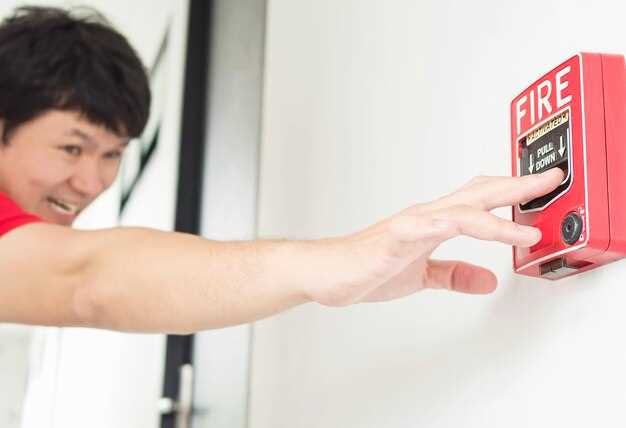
Maintaining and testing your fire safety equipment is essential for ensuring the safety of all participants and spectators at any race event. An improper functioning system can lead to severe consequences, making regular checks a critical part of any safety protocol.
First, establish a routine maintenance schedule for all fire suppression systems, including extinguishers, hoses, and suppression agents. Check the manufacturer’s recommendations for service intervals and adhere to them strictly. This will ensure that equipment remains in optimal condition and ready for immediate use if necessary.
Next, perform monthly visual inspections of all fire safety equipment. Look for signs of wear, corrosion, or damage. Ensure that fire extinguishers are not obstructed and are easily accessible. Record these inspections meticulously in a log to track any issues that arise over time.
Testing fire safety equipment involves more than just visual checks. Regularly conduct functionality tests on extinguishers and suppression systems. For portable extinguishers, this means checking the pressure gauge and ensuring the pin and nozzle are intact. For systems integrated into vehicles, inspect the release mechanisms and test the flow of suppressant agents during practice runs, under controlled conditions.
Additionally, train all team members on how to use fire safety equipment properly. Conduct fire drills to ensure everyone knows their roles in the event of an emergency. This training should be refreshed regularly to keep skills sharp and knowledge current.
Finally, document all maintenance and testing activities. Keeping detailed records not only aids in compliance with safety regulations but also helps track the performance and reliability of your fire safety equipment. This diligence will contribute significantly to creating a safe environment at race events.
Integrating Fire Safety Gear with Your Racing Outfit
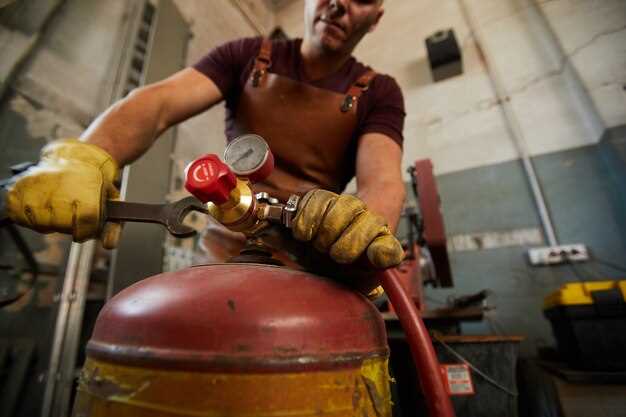
In the high-stakes environment of racing, integrating fire safety gear into your outfit is essential for ensuring personal safety. Every racer must prioritize their protection while maintaining mobility and comfort on the track. Proper selection and integration of safety gear can significantly minimize the risk of fire-related injuries during a race.
A critical component of any racing outfit is the fire-resistant suit. This suit should meet national and international safety standards, providing an effective barrier against flames and heat. When selecting a racing suit, consider the material; options like Nomex or Kevlar offer excellent resistance to combustion and thermal degradation. Ensure the suit fits snugly yet comfortably, allowing agility without compromising protection.
Complementing your racing suit, fire-retardant gloves and footwear are vital for safeguarding exposed skin. Gloves should provide a secure grip on the steering wheel while protecting against heat and flames. Meanwhile, fire-resistant boots designed for racing can prevent burns in the event of an accident. Choose footwear that fits well and allows for good pedal control, as this can enhance your performance while ensuring safety.
Additionally, incorporating a fire-resistant balaclava can protect your head and neck, areas often overlooked during safety considerations. A balaclava not only adds another layer of protection but also helps to manage sweat and heat, contributing to comfort during races. Lastly, a helmet that adheres to safety standards and includes a fire-retardant lining is imperative, as it is your first line of defense in the event of a fire.
When integrating fire safety gear with your racing outfit, consider options that provide maximum coverage without hindering performance. Balance safety and comfort to ensure that you can focus entirely on the race while being confident in your protection. Regularly inspect all gear for signs of wear and make necessary replacements to maintain safety standards throughout your racing career.


